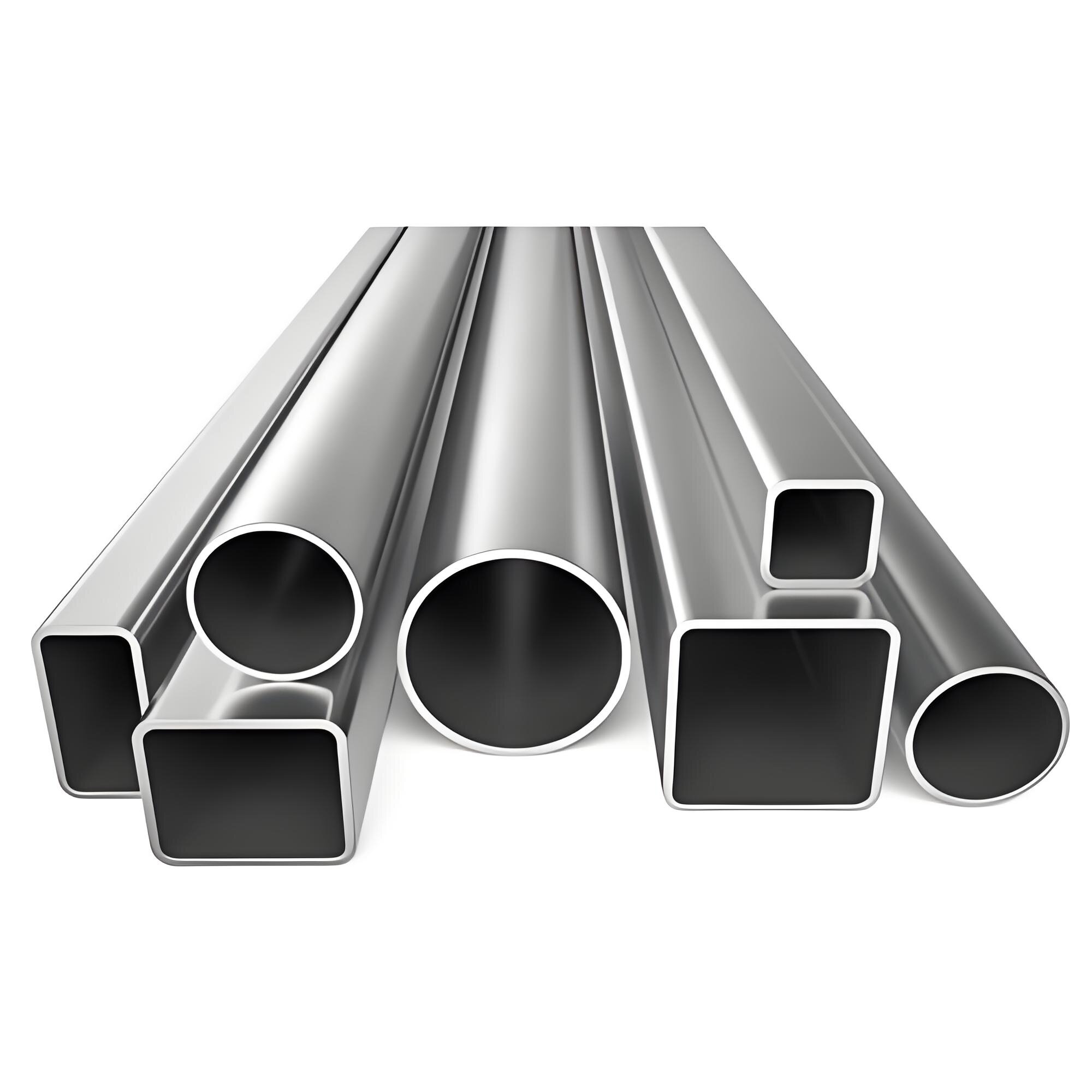
In recent years, as the global industrial system accelerates its march toward high-end and refined development, steel pipes, as key basic materials, have shown distinct characteristics of diversification and specialization in market demand and technological innovation. Among them, six core categories—Carbon Steel Pipe, Low Temperature Steel Pipe, Boiler Pipe, Alloy Steel Pipe, High Temperature Steel Pipe, and Precision Steel Pipe—relying on their unique performance advantages, play irreplaceable roles in key fields such as energy, chemical industry, and machinery manufacturing, jointly driving the industry into a new stage of high-quality development.
From the perspective of market application scenarios, various types of steel pipes have clear divisions of labor and complementary cooperation. Carbon Steel Pipe, with its excellent cost-effectiveness and good machinability, has long dominated the mainstream market in infrastructure fields such as building structures and water/gas transmission pipelines. In recent years, with the recovery of global infrastructure investment, its demand has increased by more than 8% year-on-year. Low Temperature Steel Pipe, on the other hand, with its outstanding low-temperature toughness, has become a "must-have product" for low-temperature environment projects such as LNG (liquefied natural gas) storage and transportation, and polar engineering. As the global energy structure transitions to clean energy, the market size of this category is expected to exceed 30 billion yuan in the next five years.
In the energy and power sector, the technological upgrading of Boiler Pipe and High Temperature Steel Pipe has become the focus of the industry. As a core component of power station boilers, Boiler Pipe has extremely high requirements for high-temperature resistance and corrosion resistance. Domestic enterprises have successfully developed Cr-Mo alloy series boiler pipes, whose service life is more than 50% longer than that of traditional products, breaking foreign technological monopolies. High Temperature Steel Pipe performs excellently in high-temperature working conditions such as supercritical power stations and aerospace engines. Recently, a leading enterprise launched a new type of nickel-based high-temperature alloy steel pipe, which can withstand temperatures above 1200°C, filling the domestic technological gap in high-end high-temperature steel pipes.
Alloy Steel Pipe, relying on the high strength and hardness properties endowed by alloying elements, has seen a continuous increase in demand in machinery manufacturing, oil drilling and production, and other fields. Especially in deep-sea oil and gas development projects, alloy steel pipes containing elements such as chromium, nickel, and molybdenum can resist seawater corrosion and high-pressure environments, making them the preferred material for deep-sea oil well pipes. At present, the self-sufficiency rate of domestic alloy steel pipes has increased to 92%, effectively ensuring national energy security.
Precision Steel Pipe focuses on the high-end manufacturing field. Its outer diameter tolerance can be controlled within ±0.05mm, and the surface roughness reaches Ra0.8μm, which is widely used in high-precision scenarios such as automotive hydraulic systems, aerospace pipelines, and medical equipment. With the rapid development of new energy vehicles and high-end equipment manufacturing industry, the market demand for Precision Steel Pipe maintains an annual growth rate of more than 15%, promoting the industry's transformation toward "refinement and high added value".
From the perspective of industry development trends, green manufacturing and technological innovation have become the core competitiveness of the steel pipe industry. A number of enterprises have reduced the energy consumption per unit product by more than 30% by optimizing smelting processes and promoting short-process steelmaking; at the same time, the digital transformation is advancing rapidly.
Through intelligent testing systems, 100% online monitoring of steel pipe quality is realized, and the product qualification rate is increased to 99.5%. In the future, with the in-depth advancement of the "dual carbon" goal and the continuous release of high-end manufacturing demand, the six major steel pipe categories will further leverage their synergistic advantages to provide solid material support for the transformation and upgrading of the industrial sector.