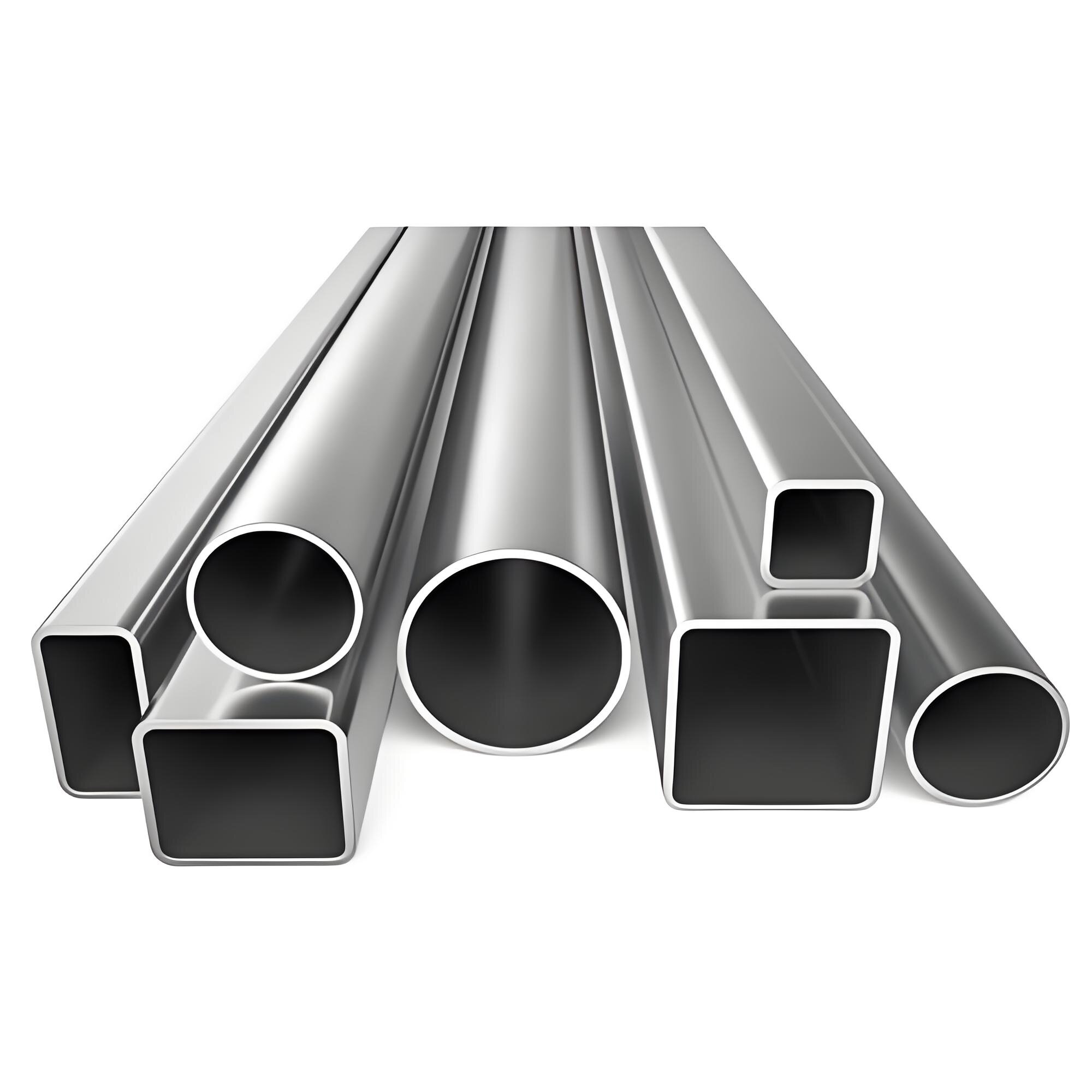
Against the backdrop of accelerated global industrial transformation and upgrading, China's special steel pipe industry has stepped into a new round of development boom. Carbon Steel Pipe, Low Temperature Steel Pipe, Boiler Pipe, Alloy Steel Pipe, High Temperature Steel Pipe, and Precision Steel Pipe—these six key product categories, empowered by technological innovation and performance optimization, have achieved widespread application in energy, chemical, machinery manufacturing, and other core fields, becoming a solid cornerstone for driving high-quality industrial development.
Energy Sector: High-Temperature & Boiler Pipes Fuel Green Transformation
In the energy industry, the technological upgrading of High Temperature Steel Pipe and Boiler Pipe has become a key driver of efficiency improvement and low-carbon transition. Facing the stringent requirements for high temperature and pressure resistance in thermal power, nuclear power, and other energy projects, domestic enterprises have made breakthroughs in material formulation and rolling processes. The high-temperature resistance limit of advanced High Temperature Steel Pipe has been raised to over 700℃, while the corrosion resistance and service life of upgraded Boiler Pipe have increased by more than 30% compared with traditional products. An energy equipment manufacturer confirmed that the application of the new-generation High Temperature Steel Pipe and Boiler Pipe not only cuts the operation and maintenance costs of energy equipment but also boosts the power generation efficiency of units by 5%-8%, providing critical hardware support for the green and low-carbon transformation of the energy sector.
Chemical Industry: Low-Temperature & Alloy Pipes Tackle Extreme Challenges
As a core application scenario for special steel pipes, the chemical industry has witnessed a surge in demand for Low Temperature Steel Pipe and Alloy Steel Pipe. With the widespread adoption of low-temperature chemical processes, Low Temperature Steel Pipe is required to maintain stable performance even in ultra-low temperature environments of -196℃. Domestic enterprises have developed nickel-based Low Temperature Steel Pipe, which accurately controls trace element content to solve the long-standing industry problem of pipe brittleness and cracking under low temperatures. These pipes are now being batch-applied in LNG (liquefied natural gas) storage and transportation projects nationwide. Meanwhile, Alloy Steel Pipe, with its inherent high strength and toughness, has replaced traditional pipes in high-pressure chemical reaction equipment, significantly enhancing the equipment's fatigue resistance and safety factor. A large chemical enterprise revealed that after switching to Alloy Steel Pipe, the maintenance cycle of its reaction equipment has been extended from 1 year to 2.5 years, greatly reducing the risk of production interruptions.
Machinery Manufacturing: Carbon & Precision Pipes Drive Market Growth
In the field of machinery manufacturing and precision processing, Carbon Steel Pipe and Precision Steel Pipe have become the main force behind market expansion. Carbon Steel Pipe, leveraging its cost advantage and excellent machinability, is widely used in construction machinery, transportation pipelines, and other fields. Driven by increased infrastructure investment, the number of market orders for Carbon Steel Pipe has surged by more than 20% year-on-year recently. Precision Steel Pipe, favored for its high dimensional accuracy and superior surface quality, has become a key material in high-end manufacturing sectors such as auto parts and aerospace equipment. By introducing advanced precision cold rolling technology, domestic enterprises have controlled the dimensional tolerance of Precision Steel Pipe within ±0.05mm, bringing product quality up to international advanced standards and gradually breaking the industry's dependence on imports.
Industry Trend: Toward High Performance, Lightweight, and Greenization
Industry experts pointed out that the special steel pipe industry is currently evolving in the direction of "high performance, lightweight, and greenization". To seize the opportunities brought by global industrial upgrading, enterprises need to further increase R&D investment, break through key core technologies, and enhance product added value. At the same time, strengthening collaborative cooperation across the industrial chain and improving the supply chain system will be crucial to coping with global market competition. With the continuous advancement of the six major product categories, China's special steel pipe industry is poised to provide more solid material support for the country's high-quality industrial development.