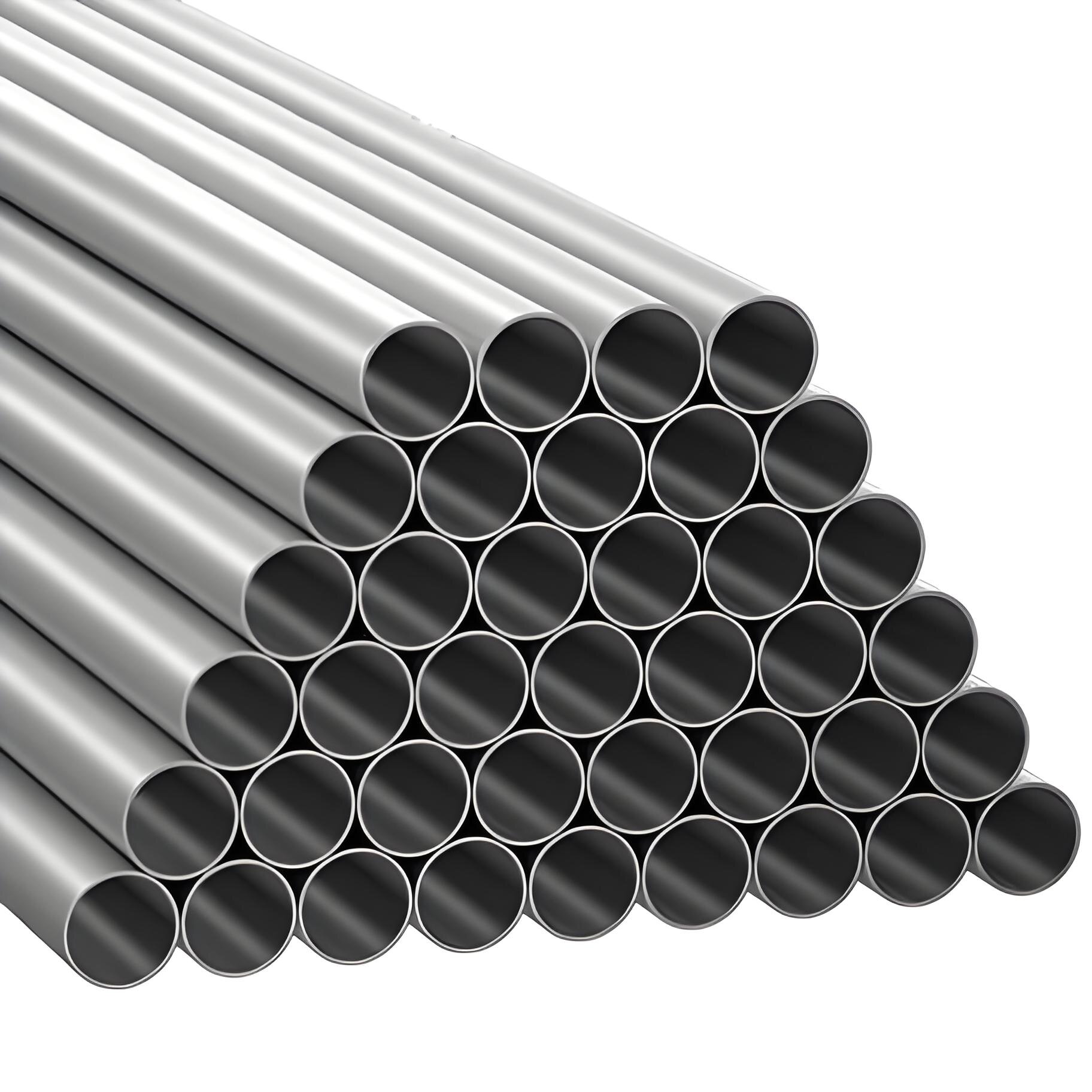
Driven by the upgrading of global high-end manufacturing and the acceleration of energy infrastructure investment, six core steel pipe categories including Carbon Steel Pipe and Low Temperature Steel Pipe have shown a comprehensive growth trend recently. According to the latest data from the Metallurgical Industry Planning and Research Institute, the domestic steel pipe market scale has exceeded 1.2 trillion yuan in 2025, among which the high-end special steel pipe has achieved a growth rate of 12%, far exceeding the industry average.
Energy Infrastructure Activates Demand for Traditional Categories
As the most basic structural pipes, Carbon Steel Pipes continue to release incremental demand in infrastructure projects along the "Belt and Road" initiative. Oil and gas pipeline projects in Southeast Asia have driven the demand for large-diameter carbon steel welded pipes to increase by 18% year-on-year, and the Bohai Rim industrial cluster accounts for 62% of the national production capacity supply by virtue of cost advantages. In the field of power equipment, Boiler Pipes have entered a peak period of technological iteration - enterprises such as Hengyang Hongling have mass-produced 12Cr1MoVG alloy high-pressure boiler pipes, which can withstand temperatures above 650℃ and pressures above 10MPa. These pipes have been batch-applied in ultra-supercritical power stations, pushing the import substitution rate of domestic boiler pipes to 81.3%.
Low Temperature Steel Pipes have made breakthroughs in the field of new energy storage and transportation. With the accelerated construction of LNG receiving stations, the demand for nickel-steel composite pipes with low-temperature resistance of -196℃ has surged. Domestic enterprises have improved the welding process, increasing the product qualification rate from 78% to 92%, and successfully entered the Southeast Asian market.
High-End Manufacturing Spurs Innovation in Special Steel Pipe Concepts
Alloy Steel Pipes and High Temperature Steel Pipes have become key supports for the aerospace and hydrogen energy industries. Nickel-based alloy high-temperature pipes can withstand temperatures exceeding 1200℃, and the wall thickness tolerance of titanium alloy pipes is controlled within ±0.03mm, meeting the strict requirements of aero-engine turbine components. In the hydrogen energy field, R&D on hydrogen embrittlement-resistant alloy pipes has made progress, and it is expected to fill a market gap of 150,000 tons by 2030.
The Precision Steel Pipe market has performed particularly well. The global market scale is expected to reach 28.3 billion US dollars in 2025, with China contributing 45% of the share. The consumption of precision pipes for new energy vehicle power battery packs per vehicle has increased by 120% compared with 2022. Although the localization rate of vacuum-grade steel pipes for semiconductor equipment is less than 15%, the annual growth rate has reached 15%. Technically, the cold rolling process has achieved 0.01mm-level wall thickness tolerance control, and laser welding technology has promoted the penetration rate of precision welded pipes in automobile chassis from 32% to 65%.
Industrial Transformation Faces Opportunities and Challenges
The structural adjustment of the industry has intensified differentiation simultaneously. Fluctuations in raw material prices have become a major challenge - the cost proportion of raw materials such as nickel-based alloys has risen to 68%, forcing enterprises to deploy hydrogen-based direct reduced iron processes. Environmental protection policies have accelerated the green transformation: the proportion of electric furnace short-process pipe manufacturing capacity is expected to increase from 18% to 30%, and the carbon emission intensity per ton of steel will decrease by 25%.
Leading enterprises have taken the lead in layout. Enterprises such as Baosteel have built smart factories through digital twin technology, with a defect recognition rate of 99.993%; the Yangtze River Delta industrial cluster accounts for 56% of the domestic precision pipe production capacity relying on the vertical integration model. Experts from the Steel Pipe Association pointed out that in the next five years, efforts should be focused on breaking through high-end categories such as aerospace titanium alloy pipes and special pipes for hydrogen energy storage and transportation, while vigilance should be maintained against the substitution risk brought by additive manufacturing technology.