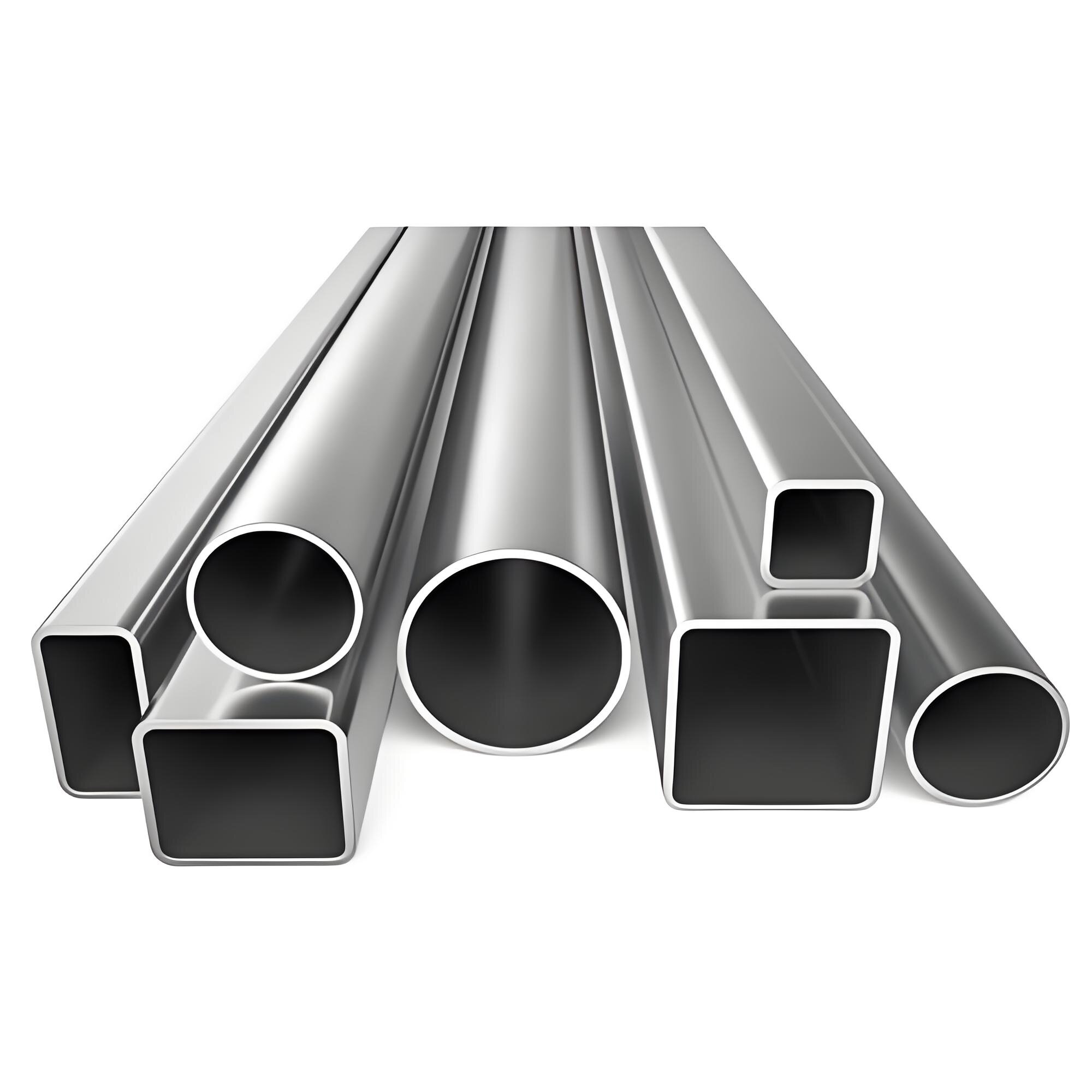
In the ever - evolving landscape of the steel pipe industry, several types of pipes are making significant strides, each with its unique applications and technological advancements.
Carbon Steel Pipe: A Mainstay with Continuous Innovation
Carbon steel pipes, a staple in various industries, are seeing enhanced manufacturing processes. Made from carbon steel with a carbon content typically ranging from 0.05% to 1.35%, these pipes are formed from steel ingots or solid round steel through perforation, followed by hot rolling, cold rolling, or cold drawing. They are mainly divided into categories such as seamless pipes for structural use, fluid conveyance, low and medium - pressure boilers, high - pressure boilers, and petroleum cracking.
Recently, manufacturers have been focusing on improving the strength - to - weight ratio of carbon steel pipes. By optimizing the carbon and alloy content, they can produce thinner - walled pipes without sacrificing strength. This not only reduces material costs but also eases transportation and installation. For example, in the construction industry, carbon steel pipes are widely used for structural supports and protective equipment. Their excellent strength and weather resistance make them suitable for high - rise buildings, large bridges, and tunnels, ensuring long - term structural safety.
Low Temperature Steel Pipe: Meeting the Challenges of Cold Environments
Low temperature steel pipes, often used in industries such as cryogenics, pharmaceuticals, and liquefied gas transportation, have specific requirements to withstand extremely cold conditions. These pipes are designed to maintain their mechanical properties at low temperatures, preventing brittleness and ensuring safe operation.
In the pharmaceutical industry, they are crucial for producing ethylene, propylene, urea, synthetic ammonia, and compound fertilizer. They are also used in equipment for washing, purification, desulfurization, and degreasing. Additionally, low temperature steel pipes are essential for manufacturing cryogenic equipment, ultra - low - temperature refrigerators, and pipelines for transporting ultra - low - temperature liquefied gases like in petroleum gas cryogenic separation and air separation equipment.
Manufacturers are now developing new alloys and heat - treatment processes to further improve the low - temperature performance of these pipes. Some are using advanced testing techniques to ensure that the pipes can withstand temperatures as low as - 253 °C in certain industrial applications, like in the handling of liquid hydrogen.
Boiler Pipe: Adapting to Stringent Industry Standards
Boiler pipes are mainly categorized into carbon steel, alloy steel, and stainless steel based on material. Carbon steel boiler tubes, made of low - carbon and low - alloy structural steel, are suitable for low - temperature and general working conditions due to their relatively low hardness and heat resistance.
Alloy steel boiler tubes, on the other hand, are an improvement over carbon steel, with enhanced hardness and heat resistance through alloying. They are designed for high - temperature, high - pressure, and special working conditions. Stainless steel boiler tubes, such as those made of 304 or 316 stainless steel, offer strong corrosion resistance and are used in special environments like the chemical, petroleum, and health industries.
American standards for low and medium - pressure carbon steel boiler tubes, such as ASTM A178, ASTM A192, ASTM A210, and ASTM A213, specify detailed requirements regarding mechanical performance, chemical composition, processing technology, and testing standards. Manufacturers are constantly striving to meet and exceed these standards, especially as industries demand more efficient and reliable boiler systems. For instance, in power generation plants, boiler pipes need to withstand high temperatures and pressures while maintaining their integrity over long operating periods.
Alloy Steel Pipe: Combining Strength and Versatility
Alloy steel pipes are made by adding various alloying elements to carbon steel, such as chromium, nickel, molybdenum, and vanadium. These additions improve the pipe's strength, hardness, toughness, and corrosion resistance, making them suitable for a wide range of applications.
In the oil and gas industry, alloy steel pipes are used for pipelines in harsh environments, such as deep - sea oil drilling and transportation of corrosive fluids. Their high strength allows them to withstand the high pressures associated with oil and gas extraction and transportation. In the automotive industry, alloy steel pipes are used in the manufacturing of exhaust systems, where they need to resist heat and corrosion.
Recent research in alloy steel pipe production focuses on developing new alloy combinations to further enhance performance. For example, the use of nano - particles as alloying agents is being explored to improve the material's microstructure and mechanical properties at a microscopic level.
High Temperature Steel Pipe: Withstanding Extreme Heat
High temperature steel pipes are designed to operate in environments with elevated temperatures, such as in power plants, refineries, and chemical industries. These pipes need to maintain their structural integrity and mechanical properties under continuous exposure to high heat.
Materials used for high temperature steel pipes often include alloys with high chromium and nickel content. These alloys form a protective oxide layer on the surface of the pipe, which helps to resist oxidation and corrosion at high temperatures. In power plants, high temperature steel pipes are used in boilers, superheaters, and reheaters, where they are subjected to temperatures exceeding 500 °C.
Manufacturers are investing in research and development to create new high - temperature - resistant alloys. Advanced manufacturing techniques, such as precision casting and hot isostatic pressing, are being employed to produce high - quality high temperature steel pipes with consistent properties.
Precision Steel Pipe: Meeting the Demands of High - Tech Applications
Precision steel pipes are characterized by their tight dimensional tolerances and high surface finish. They are used in applications where accuracy and reliability are crucial, such as in the aerospace, automotive, and hydraulic systems.
In the aerospace industry, precision steel pipes are used in aircraft hydraulic systems, fuel lines, and structural components. Their high precision ensures proper fit and function, which is essential for the safe operation of an aircraft. In the automotive industry, they are used in engine components, such as fuel injection systems and turbocharger pipes.
To meet the increasing demand for precision steel pipes, manufacturers are adopting advanced machining and inspection technologies. Computer - numerical - control (CNC) machines are used to achieve extremely accurate dimensions, and non - destructive testing methods, such as ultrasonic and eddy - current testing, are employed to detect any defects in the pipes.
In conclusion, the steel pipe industry is experiencing continuous growth and innovation across all types of pipes. As industries evolve and demand more efficient, reliable, and high - performing products, manufacturers are rising to the challenge by developing new materials, improving manufacturing processes, and meeting stringent industry standards. This progress not only benefits the industries that rely on steel pipes but also contributes to the overall development of the global economy.