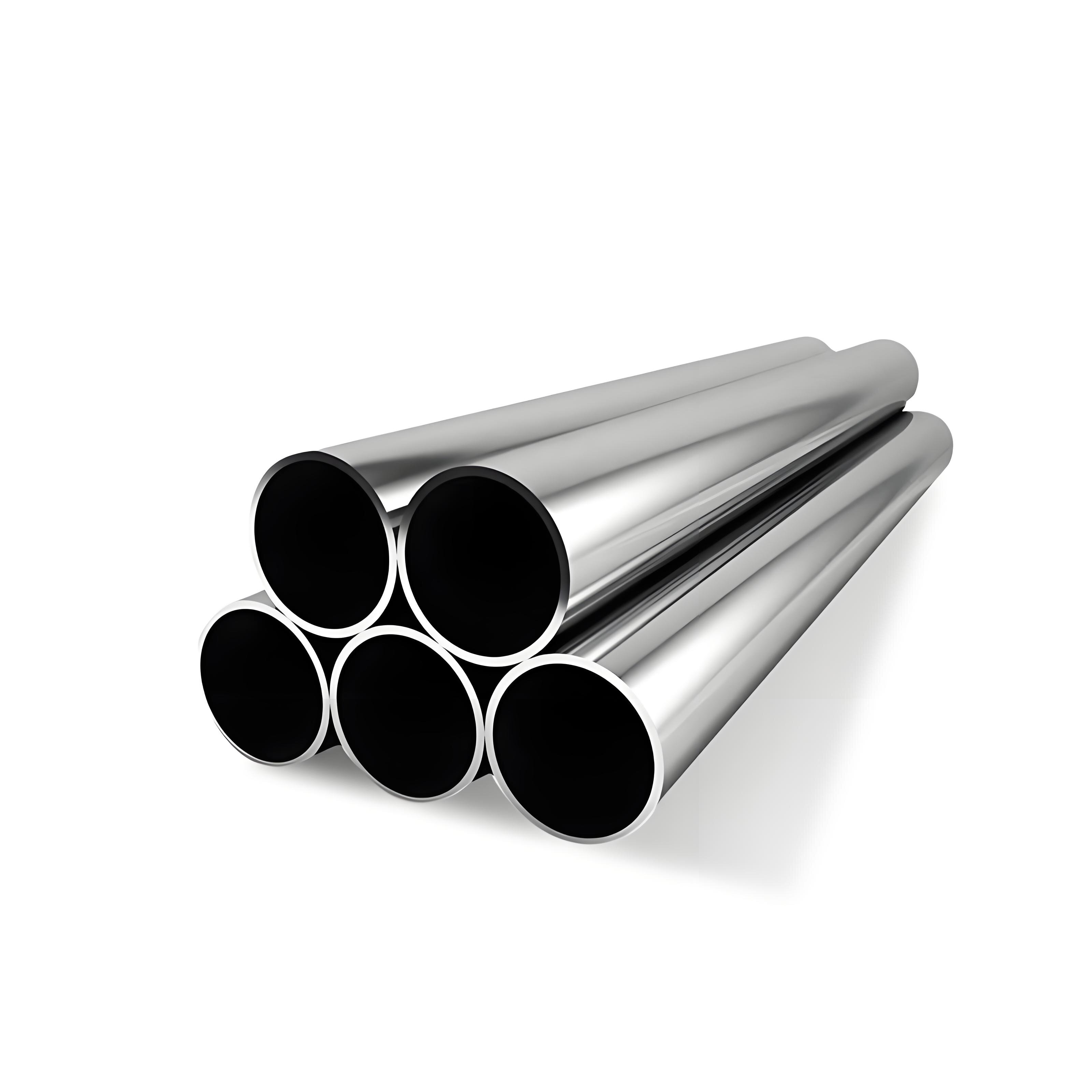
In the dynamic world of the steel pipe industry, several key product segments are witnessing significant developments, each playing a crucial role in diverse sectors.
Carbon Steel Pipe: Cost - Effective and Versatile
Carbon steel pipes, made from carbon steel with a carbon content typically ranging from 0.05% to 1.35%, continue to be a staple in the market. These pipes are produced through processes like hot rolling, cold rolling, or cold drawing from steel ingots or solid round steel. Their manufacturing process makes them relatively cost - effective compared to some other types of steel pipes.
They are highly versatile and find applications in numerous industries. In plumbing, HVAC systems, and the transportation of oil and gas, carbon steel pipes are the go - to choice due to their high cross - sectional stiffness, which results from their second moment of area. They also offer advantages such as high strength, toughness, enhanced impact resistance, and excellent welding and thermal processing capabilities. Their ability to handle high - pressure conditions and resist shock and vibration makes them suitable for industrial systems as well. For instance, in large - scale industrial plants, carbon steel pipes are used to transport various fluids, ensuring a reliable and durable connection.
Low Temperature Steel Pipe: Meeting the Challenges of Cold Environments
Low temperature steel pipes, with specifications like ASTM A333, are designed to operate in frigid conditions. These pipes can be used in applications where the temperature drops as low as minus 150 °F. Materials for such pipes are usually in the normalized condition and undergo Charpy impact testing within a specific temperature range to guarantee compliance with the required service temperature.
They are widely used in industries such as the petrochemical industry, where they are crucial for transporting fluids in low - temperature environments, like in the construction of pipelines for cryogenic storage facilities. In the Arctic oil and gas exploration, low temperature steel pipes are essential for ensuring the safe and efficient transfer of resources in the harsh, cold climate. The pipes' ability to maintain their mechanical properties at low temperatures is vital, as any failure could lead to significant disruptions and environmental hazards.
Boiler Pipe: Ensuring Safe and Efficient Power Generation
Boiler pipes are an integral part of power generation and industrial heating systems. They are used to transport high - temperature and high - pressure fluids in equipment such as industrial boilers, heat exchangers, and power stations. Boiler pipes are generally made of seamless tubes and can be crafted from materials like carbon steel, alloy steel, or stainless steel.
For general boilers operating at temperatures below 350 °C, low - carbon steel hot - rolled or cold - drawn tubes are commonly used. High - pressure boiler tubes, on the other hand, need to possess high lasting strength, high resistance to oxidation and corrosion, and good structural stability as they are exposed to extreme conditions. In power plants, boiler pipes play a critical role in converting heat energy into electrical energy. Their quality and performance directly impact the safe operation and energy efficiency of the boilers, making continuous innovation in their design and manufacturing crucial.
Alloy Steel Pipe: High - Performance Solutions for Demanding Industries
Alloy steel pipes, extruded from alloy materials, are used in a wide array of industries, including automobiles, ships, aerospace, aviation, and electrical. These pipes come in various standards such as ASTM A335, ASTM A519, and ASTM A213, with sizes ranging from 1/4” to 24” in outside diameter and different wall thicknesses like SCH 10, SCH 20, etc.
In high - temperature applications, alloy steel pipes, often referred to as chrome moly pipes, are highly sought - after. For example, ASTM A335 pipes, which can withstand temperatures between 540 – 750 °C, are used in power industry and petro - chemical plants. The presence of chromium and molybdenum in these pipes increases their overall strength, resistance, elasticity, hardenability, and corrosion resistance. Molybdenum, in particular, helps the material resist softening, restrains grain growth, and reduces the chances of embrittlement.
High Temperature Steel Pipe: Withstanding Extreme Heat
High temperature steel pipes, similar to the high - performance alloy steel pipes used in high - temperature applications, are engineered to endure intense heat. These pipes are crucial in industries such as steel manufacturing, where furnaces operate at extremely high temperatures. They are also used in power generation plants, especially in boilers and superheaters. The materials used in high temperature steel pipes are carefully selected to maintain their integrity and mechanical properties under high - temperature conditions. This ensures the smooth operation of industrial processes that rely on high - temperature environments, preventing any premature failure of the pipes due to heat - induced stress.
Precision Steel Pipe: Meeting Stringent Requirements
Precision steel pipes are manufactured to meet tight tolerances in terms of dimensions and wall thickness. These pipes are used in industries where high precision is required, such as in the manufacturing of hydraulic systems, automotive components, and medical equipment. In hydraulic systems, precision steel pipes ensure the accurate transfer of hydraulic fluid, which is essential for the proper functioning of machinery. Their precise dimensions and high - quality finish make them suitable for applications where even the slightest deviation could lead to performance issues.
In recent news, leading steel pipe manufacturers are investing in research and development to improve the quality and performance of these various types of steel pipes. New manufacturing techniques are being explored to enhance the efficiency of production and reduce costs. Additionally, there is a growing focus on developing more sustainable steel pipe solutions, with a greater emphasis on recycling and reducing the environmental impact of the manufacturing process. As industries continue to evolve and demand more advanced and reliable steel pipe products, the steel pipe industry is set to play an even more significant role in the global economy.