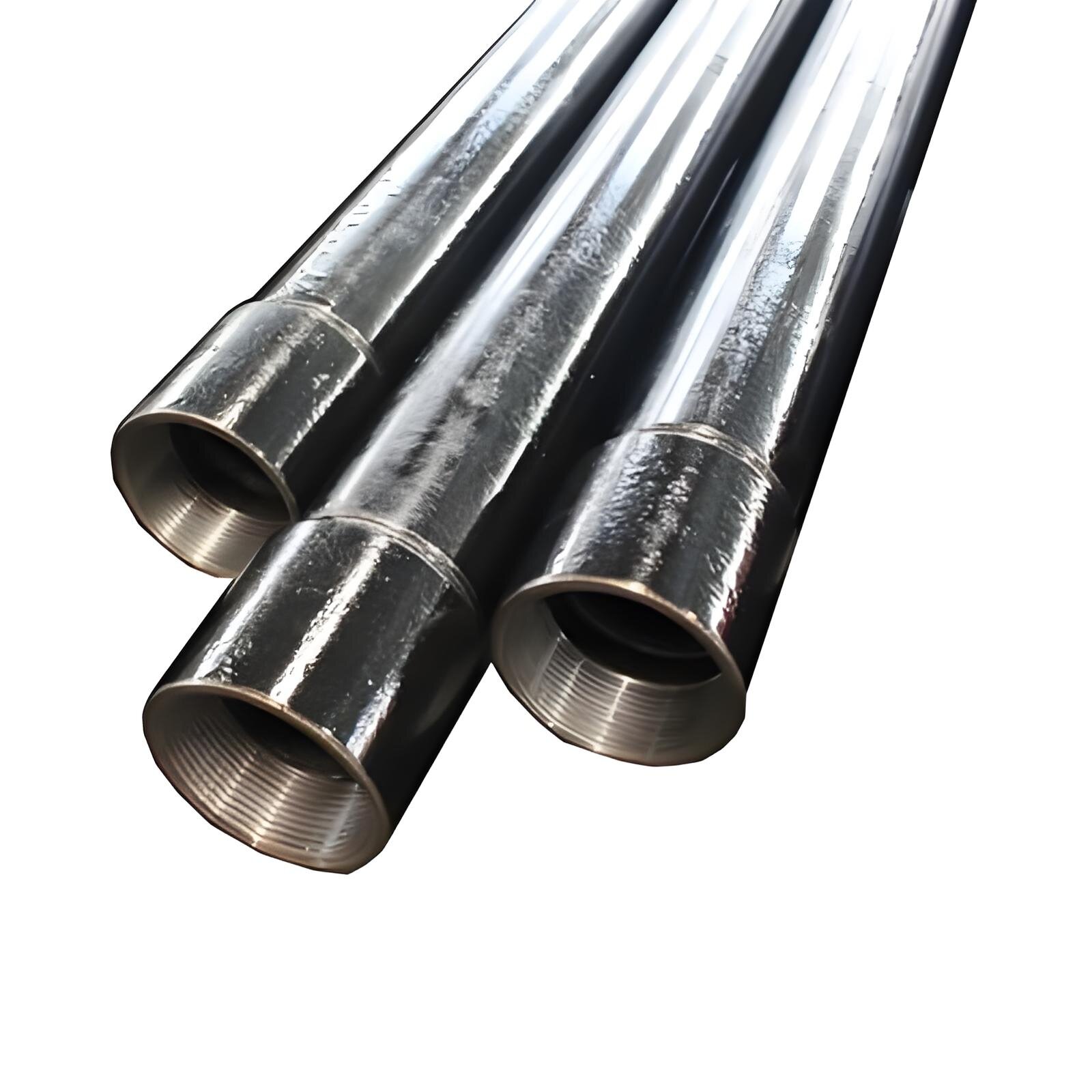
In the dynamic landscape of the industrial piping sector, Carbon Steel Pipe, Low Temperature Steel Pipe, Boiler Pipe, Alloy Steel Pipe, High Temperature Steel Pipe, and Precision Steel Pipe continue to play pivotal roles, each catering to distinct application needs and driving innovation across multiple industries.
Carbon Steel Pipe: The Workhorse of Basic Infrastructure
Carbon Steel Pipe, with its long - standing presence in the market, remains the go - to choice for a vast array of applications. Its relatively simple composition, mainly iron and carbon, makes it cost - effective and easy to process. In recent months, there has been a surge in demand for carbon steel pipes in infrastructure projects, such as water supply networks in emerging urban areas. For instance, in a major city's expansion plan, carbon steel pipes adhering to ASTM A106 standards are being used to construct a large - scale water distribution system. These pipes, with their ability to withstand moderate pressures and temperatures, ensure a reliable water supply to thousands of new residents. Moreover, in the oil and gas industry, carbon steel pipes compliant with API 5L are being extensively deployed for onshore pipeline installations, facilitating the transportation of crude oil and natural gas across long distances.
Low Temperature Steel Pipe: Meeting the Challenges of Cold Environments
The demand for Low Temperature Steel Pipe has been steadily increasing, especially in industries dealing with cryogenic applications. In the liquefied natural gas (LNG) sector, low temperature steel pipes, often made of materials like ASTM A333 Grade 6, are crucial for transporting LNG at extremely low temperatures. A recent project in a northern coastal region involved the construction of an LNG receiving terminal. Here, low temperature steel pipes were used to connect the storage tanks to the regasification units. These pipes, designed to maintain their mechanical integrity at temperatures as low as - 162°C, ensure the safe and efficient transfer of LNG, minimizing the risk of brittleness and failure in the cold environment. Additionally, in the food and beverage industry, where cold storage and transportation are essential, low temperature steel pipes are being used in refrigeration systems to transport coolant fluids, maintaining the required low temperatures for food preservation.
Boiler Pipe: Powering Industrial Processes
Boiler Pipe, an essential component in power generation, manufacturing, and other industrial processes, has seen significant technological advancements. With the growing emphasis on energy efficiency and clean energy, boiler pipes are being designed to withstand higher temperatures and pressures while minimizing heat loss. In a new supercritical power plant project, advanced boiler pipes made of high - quality alloy materials are being installed. These pipes, which fall under the category of both Boiler Pipe and High Temperature Steel Pipe, can endure temperatures up to 650°C and high pressures, enabling the power plant to operate at a higher thermal efficiency. This not only reduces fuel consumption but also decreases carbon emissions. In the manufacturing industry, boiler pipes are used in steam - based production processes, such as in textile mills where steam is used for fabric treatment. Newer boiler pipe designs are improving the reliability of steam supply, leading to more consistent production quality.
Alloy Steel Pipe: Unleashing High - Performance Capabilities
Alloy Steel Pipe, with its unique combination of alloying elements such as chromium, nickel, and molybdenum, is witnessing a boom in demand across high - tech and heavy - duty industries. In the aerospace industry, alloy steel pipes are used in aircraft hydraulic systems due to their high strength - to - weight ratio and excellent corrosion resistance. A leading aircraft manufacturer has recently adopted a new type of alloy steel pipe in its latest aircraft model, which has improved the overall performance and safety of the hydraulic system. In the petrochemical industry, alloy steel pipes are used in refining processes where they need to resist the corrosive effects of various chemicals and high - temperature environments. For example, in a large - scale oil refinery expansion project, alloy steel pipes compliant with ASTM A335 standards are being used in the distillation units, ensuring long - term durability and efficient operation.
High Temperature Steel Pipe: Thriving in Extreme Heat
High Temperature Steel Pipe is experiencing a surge in applications, particularly in industries where extreme heat is a norm. In the metallurgical industry, high temperature steel pipes are used in furnaces and heat treatment processes. A major steel - making company has upgraded its furnace lining with high temperature steel pipes that can withstand temperatures exceeding 1000°C. This has significantly enhanced the furnace's lifespan and improved the quality of steel production. In the power generation sector, high temperature steel pipes are used in the construction of boilers and turbines in concentrated solar power plants. These pipes, designed to handle the intense heat from solar radiation, are enabling more efficient conversion of solar energy into electricity, contributing to the growth of renewable energy sources.
Precision Steel Pipe: Setting New Standards of Accuracy
Precision Steel Pipe, known for its tight dimensional tolerances and high - quality surface finish, is becoming increasingly important in industries where precision is paramount. In the automotive industry, precision steel pipes are used in the manufacturing of hydraulic and fuel injection systems. A well - known automotive manufacturer has switched to using precision steel pipes in its latest engine models, which has led to improved fuel efficiency and reduced emissions. In the medical device industry, precision steel pipes are used in the production of surgical instruments and medical implants. Their precise dimensions and smooth surfaces are crucial for ensuring the safety and effectiveness of these devices. For example, precision steel pipes are used to make the shafts of arthroscopic surgical tools, where even the slightest deviation in size could affect the performance of the instrument during delicate procedures.
As industries continue to evolve and demand more advanced and specialized piping solutions, the development and innovation of Carbon Steel Pipe, Low Temperature Steel Pipe, Boiler Pipe, Alloy Steel Pipe, High Temperature Steel Pipe, and Precision Steel Pipe are expected to accelerate. This will not only drive the growth of the steel pipe industry but also contribute to the overall progress and efficiency of various industrial sectors.