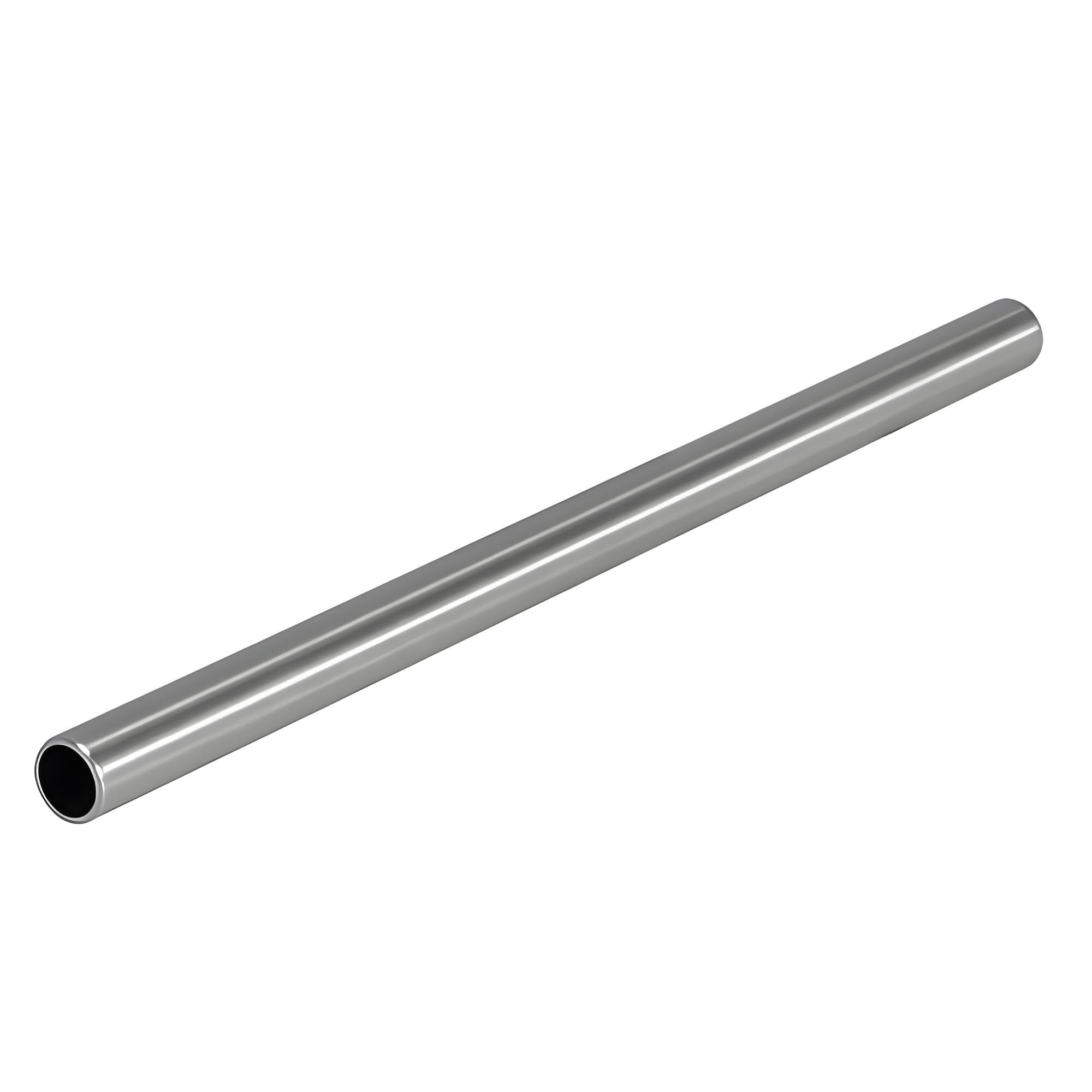
Recently, the steel pipe industry has witnessed a series of significant advancements, with many enterprises successively launching new types of pipe products It covers Carbon Steel Pipe, Low Temperature Steel Pipe, Boiler Pipe, Alloy Steel Pipe, High Temperature Steel Pipe and Precision In multiple fields such as Steel Pipe, it has brought new solutions to industries such as energy, chemical engineering, and construction.
In the field of carbon steel pipes, the new type of carbon steel pipe products have significantly enhanced their strength and corrosion resistance by optimizing carbon content and production processes. They can better meet the transportation requirements in complex environments. Whether in building structure support or the laying of oil and gas pipelines, they have demonstrated outstanding performance advantages, providing a solid guarantee for infrastructure construction.
In terms of low-temperature steel pipes, the enterprise has developed low-temperature steel pipes suitable for extremely cold environments. These pipes are made with a special alloy formula, which can maintain good toughness and impact resistance even under low-temperature conditions. This effectively solves the problem of pipeline brittleness and cracking in polar and high-altitude low-temperature regions, and is of great significance for scenarios such as liquefied natural gas (LNG) transportation and low-temperature chemical process pipelines.
The technological breakthroughs in boiler tubes are equally remarkable. The new boiler tube products feature higher high-temperature and high-pressure resistance, capable of withstanding extreme working conditions. This significantly enhances the thermal efficiency and operational safety of boilers, providing strong support for the efficient and stable operation of industries such as power and heat, and helping to reduce energy consumption and operational costs.
Alloy steel pipes, with their unique alloy composition design, demonstrate comprehensive properties such as high strength, wear resistance and corrosion resistance. In industries with strict requirements for pipe performance, such as mechanical manufacturing, mining, and chemical equipment, alloy steel pipes can extend the service life of equipment, reduce maintenance frequency, and improve overall production efficiency.
High-temperature steel pipes have been optimized for high-temperature industrial environments and can operate stably under harsh conditions such as high temperatures and strong oxidation. They are widely used in high-temperature furnace pipeline systems in industries such as metallurgy, glass manufacturing, and heat treatment, ensuring the smooth progress of high-temperature processes and promoting technological upgrades in related industries.
Precision steel tubes stand out for their high-precision dimensional control and excellent surface quality. In fields such as automotive manufacturing, hydraulic systems, and precision instruments, precision steel tubes can meet the manufacturing requirements of high-precision components, enhance the assembly accuracy and operational stability of products, and help related industries improve product quality and market competitiveness.
The new product launch and technological innovation in the steel pipe industry this time not only meet the increasingly diverse demands of various industries, but also inject new vitality into the future development of the industry. It is expected to play an important role in promoting industrial upgrading and economic development.