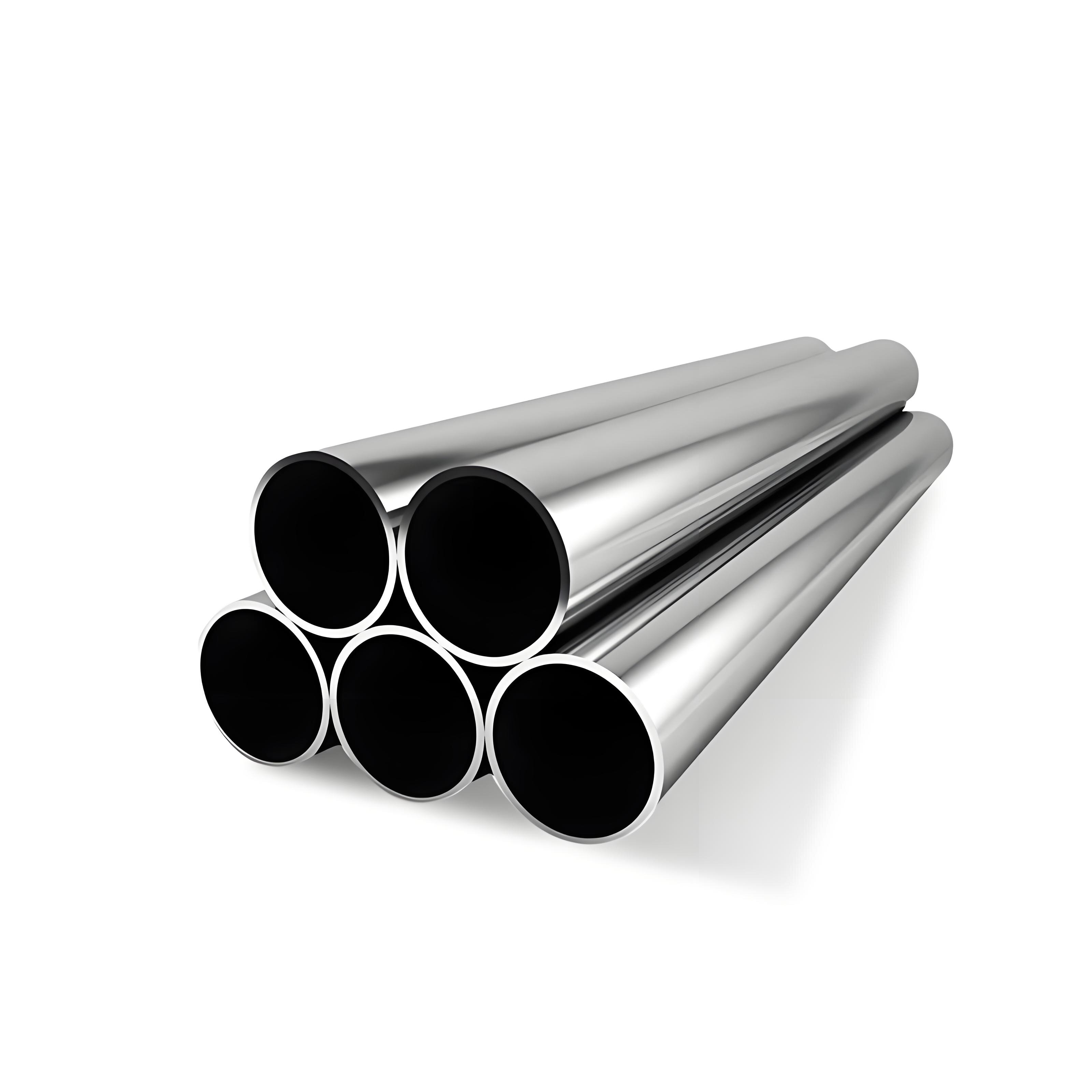
Recently, with the rapid upgrade of global energy infrastructure and the swift development of high-end equipment manufacturing, the demand for various specialized steel pipes continues to rise. In response to this market trend, leading steel pipe manufacturers are continuously optimizing their product lines, focusing on the R&D and production of core products such as Carbon Steel Pipes, Low-Temperature Steel Pipes, Boiler Pipes, Alloy Steel Pipes, High-Temperature Steel Pipes, and Precision Steel Pipes. With superior performance and reliability, these products provide critical material support for numerous key industries.
Carbon Steel Pipe: The Cornerstone of the Industrial Sector
As the most widely used category, carbon steel pipes are the preferred choice in fields such as oil, natural gas, water transmission, and building structures due to their excellent strength, machinability, and cost-effectiveness. Manufacturers are continuously improving their internal quality and dimensional accuracy through enhanced steelmaking and rolling technologies, reinforcing reliability for fundamental applications.
Low-Temperature Steel Pipe: The Guardian Challenging Harsh Environments
Designed specifically for low-temperature service conditions like LNG, petrochemicals, and refrigeration equipment. Low-temperature steel pipes maintain excellent toughness and impact resistance even in extreme cold, effectively preventing brittle fracture and ensuring the safe and stable operation of liquefied gas storage, transportation, and processing facilities. They are an indispensable part of the energy and chemical industry chain.
Boiler Pipe: The Core Component for Heat Transfer
Whether in power station boilers or industrial boilers, boiler pipes undertake the critical task of heat transfer under high temperatures and pressures. They demand extremely high requirements for resistance to high temperatures, pressure, corrosion, and creep. Advanced boiler pipe products can significantly improve boiler thermal efficiency and operational safety, forming the foundation for ensuring power supply and industrial production.
Alloy Steel Pipe: The Professional Choice for Enhanced Performance
By adding alloying elements such as chromium, molybdenum, and vanadium, alloy steel pipes achieve higher strength, hardness, wear resistance, and corrosion resistance. They are widely used in high-pressure vessels, petroleum cracking units, heavy machinery, and other applications with special material performance requirements, meeting the needs of complex and demanding service conditions.
High-Temperature Steel Pipe: Enduring Strength at Extreme Temperatures
For ultra-high-temperature environments in metallurgy, chemical industry, and power stations, high-temperature steel pipes demonstrate exceptional oxidation resistance, high-temperature corrosion resistance, and long-term strength. They maintain structural stability and load-bearing capacity under long-term high-temperature exposure, serving as core materials for equipment like high-temperature furnaces, superheaters, and reheaters.
Precision Steel Pipe: The Benchmark for Accuracy in High-End Manufacturing
With very tight dimensional tolerances, smooth inner and outer surfaces, and excellent mechanical properties, precision steel pipes are shining in fields such as hydraulic and pneumatic systems, automotive manufacturing, aerospace, and precision instruments. They reduce subsequent processing needs and improve equipment assembly efficiency and overall performance, representing the cutting edge of steel pipe processing.
Industry Outlook:
Industry experts indicate that the future development of specialized steel pipes will focus more on material innovation, process optimization, and green manufacturing. By deepening their technological expertise in Carbon Steel, Low-Temperature, Boiler, Alloy, High-Temperature, and Precision steel pipes, manufacturers can not only meet the upgrade and replacement demands of traditional energy industries but also robustly support the rapid development of strategic emerging industries like new energy, new materials, and semiconductors, contributing "Steel Pipe Power" to global industrial progress.
Carbon Steel Pipe: The Cornerstone of the Industrial Sector
As the most widely used category, carbon steel pipes are the preferred choice in fields such as oil, natural gas, water transmission, and building structures due to their excellent strength, machinability, and cost-effectiveness. Manufacturers are continuously improving their internal quality and dimensional accuracy through enhanced steelmaking and rolling technologies, reinforcing reliability for fundamental applications.
Low-Temperature Steel Pipe: The Guardian Challenging Harsh Environments
Designed specifically for low-temperature service conditions like LNG, petrochemicals, and refrigeration equipment. Low-temperature steel pipes maintain excellent toughness and impact resistance even in extreme cold, effectively preventing brittle fracture and ensuring the safe and stable operation of liquefied gas storage, transportation, and processing facilities. They are an indispensable part of the energy and chemical industry chain.
Boiler Pipe: The Core Component for Heat Transfer
Whether in power station boilers or industrial boilers, boiler pipes undertake the critical task of heat transfer under high temperatures and pressures. They demand extremely high requirements for resistance to high temperatures, pressure, corrosion, and creep. Advanced boiler pipe products can significantly improve boiler thermal efficiency and operational safety, forming the foundation for ensuring power supply and industrial production.
Alloy Steel Pipe: The Professional Choice for Enhanced Performance
By adding alloying elements such as chromium, molybdenum, and vanadium, alloy steel pipes achieve higher strength, hardness, wear resistance, and corrosion resistance. They are widely used in high-pressure vessels, petroleum cracking units, heavy machinery, and other applications with special material performance requirements, meeting the needs of complex and demanding service conditions.
High-Temperature Steel Pipe: Enduring Strength at Extreme Temperatures
For ultra-high-temperature environments in metallurgy, chemical industry, and power stations, high-temperature steel pipes demonstrate exceptional oxidation resistance, high-temperature corrosion resistance, and long-term strength. They maintain structural stability and load-bearing capacity under long-term high-temperature exposure, serving as core materials for equipment like high-temperature furnaces, superheaters, and reheaters.
Precision Steel Pipe: The Benchmark for Accuracy in High-End Manufacturing
With very tight dimensional tolerances, smooth inner and outer surfaces, and excellent mechanical properties, precision steel pipes are shining in fields such as hydraulic and pneumatic systems, automotive manufacturing, aerospace, and precision instruments. They reduce subsequent processing needs and improve equipment assembly efficiency and overall performance, representing the cutting edge of steel pipe processing.
Industry Outlook:
Industry experts indicate that the future development of specialized steel pipes will focus more on material innovation, process optimization, and green manufacturing. By deepening their technological expertise in Carbon Steel, Low-Temperature, Boiler, Alloy, High-Temperature, and Precision steel pipes, manufacturers can not only meet the upgrade and replacement demands of traditional energy industries but also robustly support the rapid development of strategic emerging industries like new energy, new materials, and semiconductors, contributing "Steel Pipe Power" to global industrial progress.